Barcelona’s Gothic Quarter: a walk with a clear plan
Plan a thoughtful Gothic Quarter walk: choose a route, read the streets, leave time for squares and decide which visits need separate planning.
The Gothic Quarter works best when you stop treating every lane as another landmark to collect. A short route can reveal changing scales, quiet corners and the relationship between a square and the streets feeding into it. This guide helps you choose a manageable walk, distinguish observation from historical claims and keep room for the city that is still using these streets today.
At a glance
- Use two or three squares as anchors and keep the route flexible.
- Verify dates and stories instead of dating buildings by appearance.
- Plan tickets and interior visits separately from the street walk.
- Choose a pace and finish that suit the people in your group.
Gothic Quarter in brief: a route you can follow
Allow roughly 60–90 minutes for this exterior walk with short stops. This is an editorial planning estimate, not a measured tour duration; museum visits, queues and longer rests are additional. Begin at Plaça Nova and finish at Plaça del Rei, keeping the street route independent from any interior booking.
- Plaça Nova: look at the cathedral exterior and the contrast between the square and surrounding lanes.
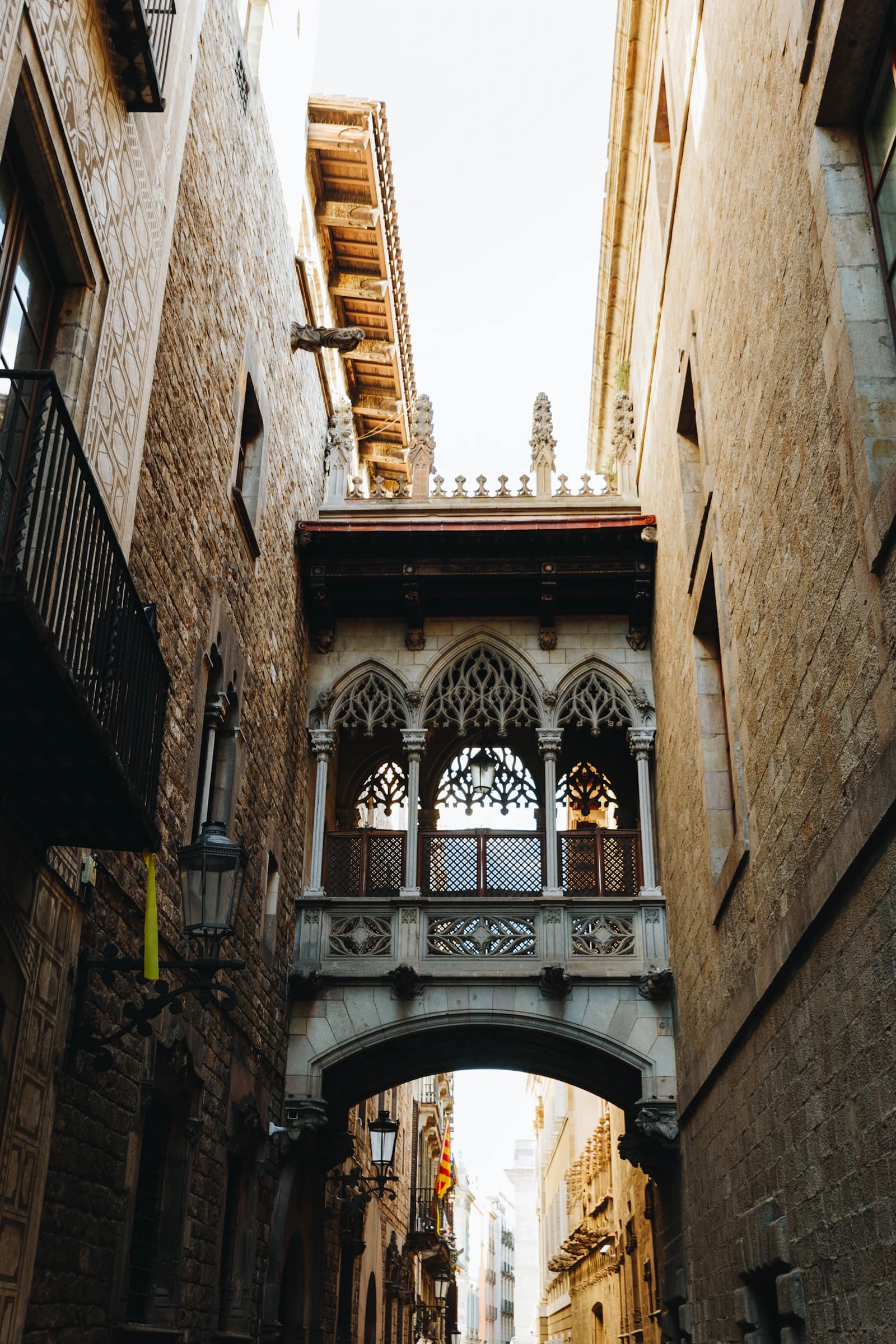
- Carrer del Bisbe: follow the stone street and observe Pont del Bisbe from below without blocking the passage.
- Plaça Sant Jaume: compare the civic buildings, then continue towards Plaça del Rei.
- Plaça del Rei: finish among the historic buildings; for Roman archaeology, check MUHBA’s separate admission before adding an interior visit.
Start with three anchors, not twenty pins
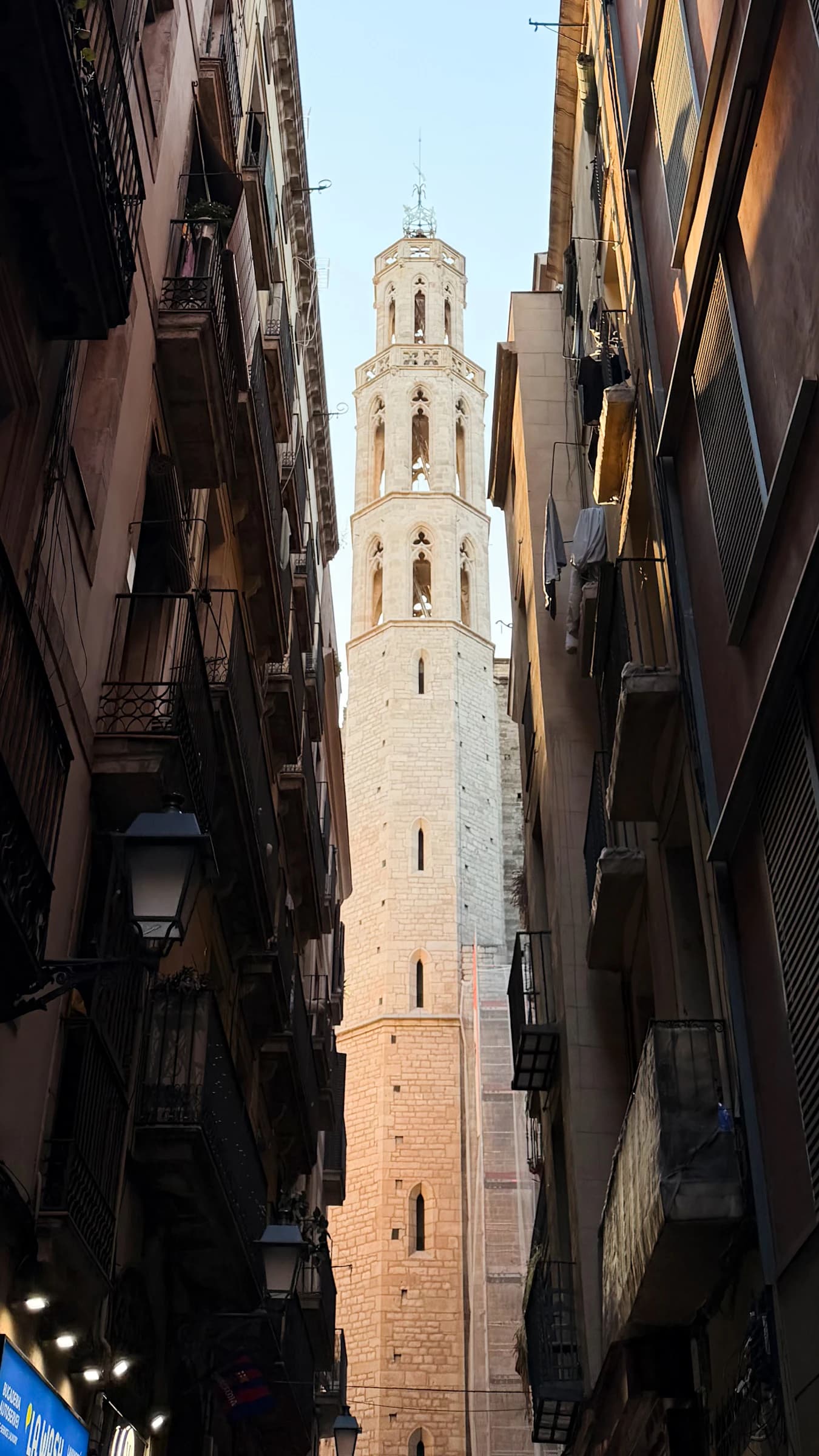
Barcelona’s official tourism guide places the Gothic Quarter in the city’s Roman and medieval core and identifies the cathedral, Plaça de Sant Jaume and Plaça del Rei among its landmarks. Use those places as orientation anchors rather than as a compulsory checklist. Choose an entry point that suits your previous activity, then draw a small loop between two or three squares. Leave at least one part of that loop flexible. If you begin with every possible stop saved on your phone, you will spend much of the walk correcting your route instead of noticing the spaces you have actually reached.
Read buildings without inventing their age
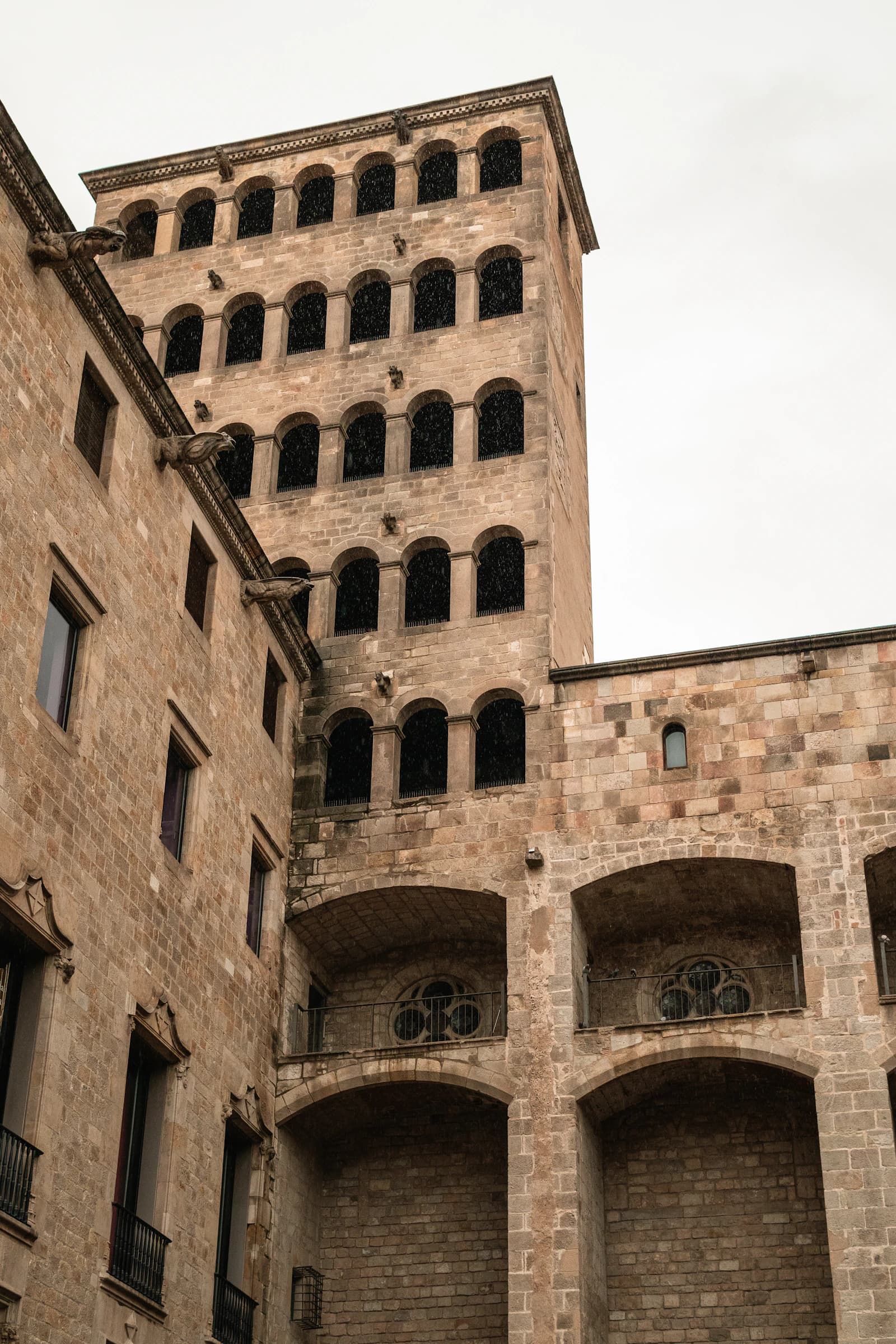
Stone, arches and narrow streets create a strong visual impression, but appearance alone cannot date a building. When you notice an interesting doorway, first describe what you can see: its shape, material, decoration and relationship to neighbouring walls. Then look for a reliable plaque or an official explanation before attaching a century or a story. This small habit makes the walk more interesting because it turns looking into a question rather than a guess. It also prevents the familiar mistake of treating an entire neighbourhood as an untouched medieval scene. A guide can help connect verified information with details that are easy to overlook.
Use the squares to control the pace
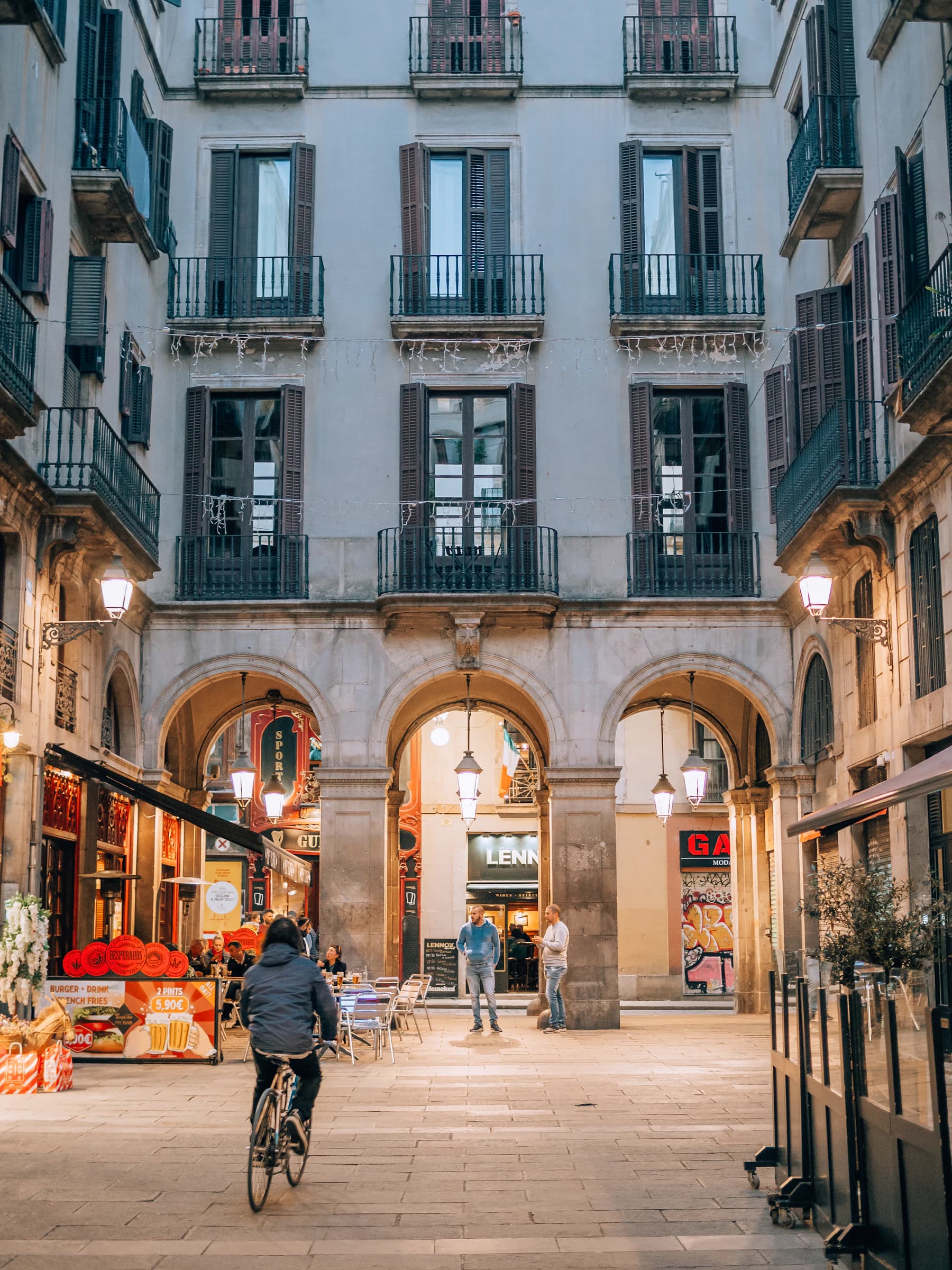
A square is more than a pause between photographs. Step to one side, let people pass and compare the height of the surrounding buildings with the width of the space. Notice where conversations collect, where entrances interrupt a façade and which direction the light comes from. Before leaving, agree on the next stop with your group so that nobody has to follow a phone through a crowded lane. If someone needs a rest, shorten the next stretch rather than trying to recover an imagined schedule. The quality of a neighbourhood walk depends more on useful stops than on the number of streets covered.
Separate the street walk from interior visits
A walking route and an admission-based visit are different plans. Before adding a church, museum or archaeological space, check its official information for the access you want, not just for the building name. Consider how an entry time will affect the order of your walk and where you will wait if you arrive early. Avoid assuming that a tour of the neighbourhood includes tickets or permission to guide inside every monument. If you want both experiences, give each its own place in the day. Keeping those decisions separate makes the budget clearer and avoids cutting an interesting street conversation short to catch an unrelated reservation.
Make the route work for your actual group
Before you start, ask what the group needs: a slower pace, fewer steps, more shade, somewhere to sit or an easy way to leave the route. A compact area on a map is not automatically comfortable for everyone. Street surfaces, crowds and narrow passages can matter more than distance. Share the proposed route with anyone who has access requirements and ask specific questions about the places you intend to enter. Carry water and keep a practical meeting point if the group separates. These are planning choices, not reasons to overload the walk with precautions. A route that fits the participants is usually a better route for everyone.
End with a question you can answer
Choose one question for the final part of the walk: how a square changes the rhythm of the streets, how a doorway frames a courtyard or how the neighbourhood balances visitors with everyday use. Compare two places you have actually seen instead of trying to summarise the whole history of Barcelona. If you continue towards another neighbourhood, make that a new chapter with a different focus. El Born can be a useful follow-on for cultural venues and street life, while a museum visit asks for another kind of attention. A good ending leaves you with a clear memory and enough energy to enjoy the next part of the day.
Sources and further reading
Bring the story to life
Compare routes, durations and languages, then choose the tour that fits your trip.
Explore our tours ↗