Barcelona in three days: depth without rushing
Combine architecture, old neighbourhoods and a third day chosen around your interests, while leaving room for rest and changes.
Three days offer space to move beyond an introductory route, but that space disappears if you automatically add more reservations. A better approach is to give the first two days an organising theme and use the third to follow a real interest. Architecture, neighbourhood life and art need different kinds of attention. This proposal separates them so you can remember what you saw. Adapt the sequence to your booked visits and energy, keeping arrival and departure time outside your sightseeing assumptions.
At a glance
- Give the first two days clear themes and let the third follow a genuine interest, with optional stops that can be removed.
- Compare a few buildings or streets attentively; protect independent time after a guided explanation rather than filling every interval.
- Check museum access, hill routes and departure logistics separately. A map’s short distance does not establish an easy walk or a guaranteed visit.
Three days: Gaudí, old city and Montjuïc
Add one distinct cultural day to the two-day route. The durations are our planning estimates; confirmed admissions and current transport determine the actual timetable. Keep the third day flexible rather than prepaying for all the alternatives.
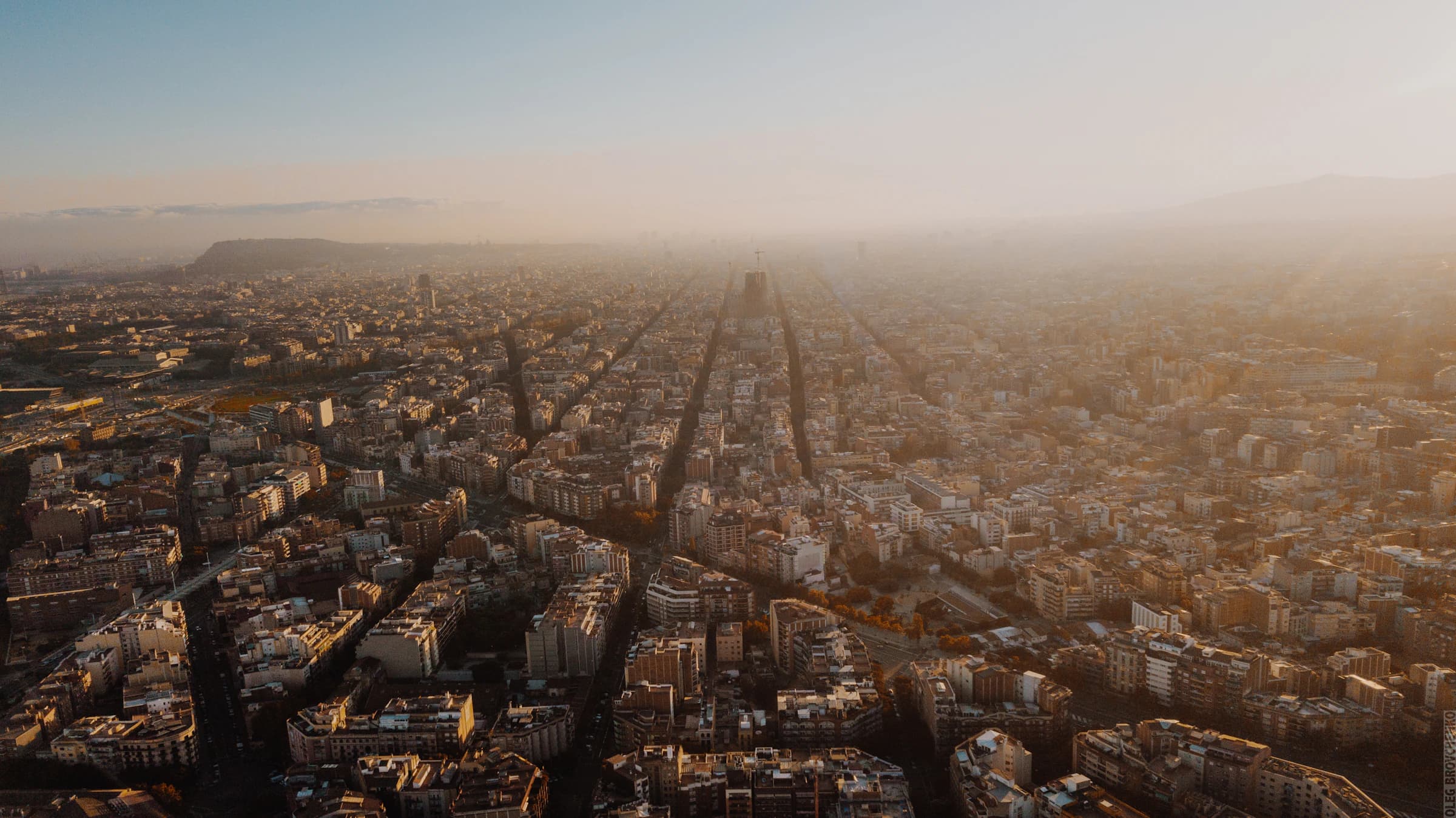
- Day 1: Sagrada Família → Carrer de Provença → La Pedrera → Casa Batlló along Passeig de Gràcia. Choose the basilica or one house interior as your main reservation, with 1–2 hours for the exterior avenue walk and a proper lunch break.
- Day 2: Barcelona Cathedral → Plaça del Rei → Plaça de Sant Jaume, then cross Via Laietana towards Santa Maria del Mar and Carrer de Montcada in El Born. Keep 1.5–2 hours per neighbourhood; a reserved Museu Picasso visit replaces part of the Born walk.
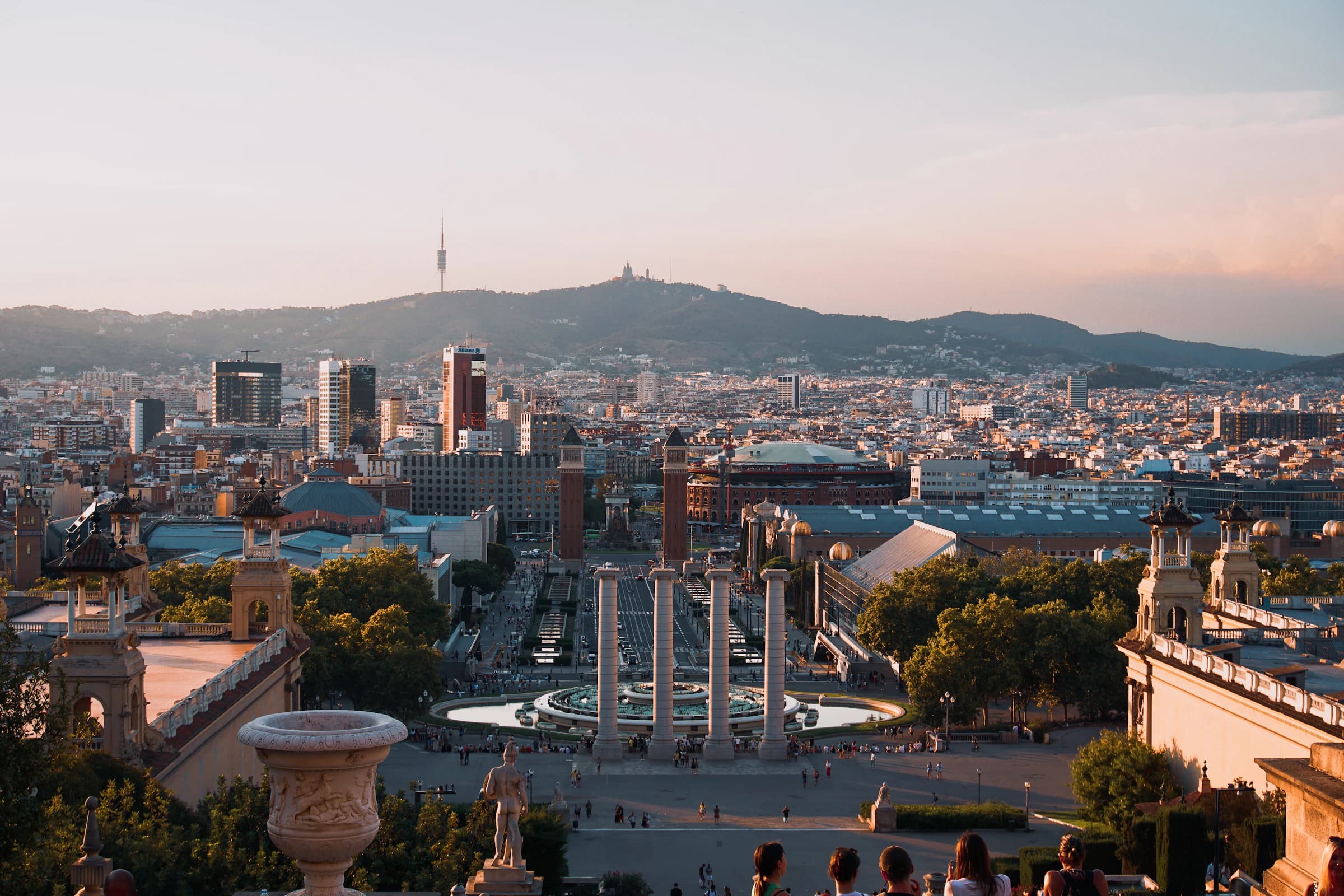
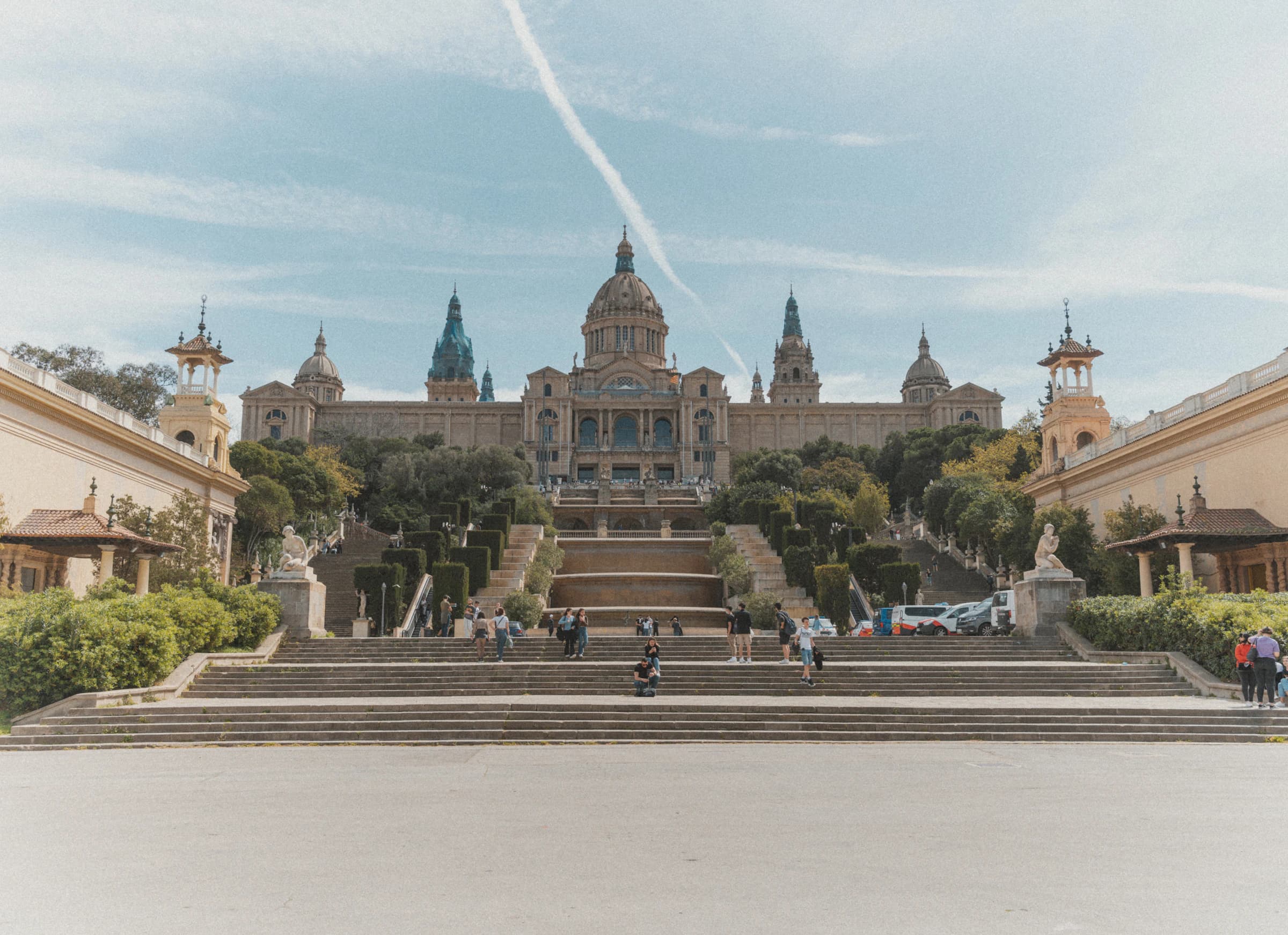
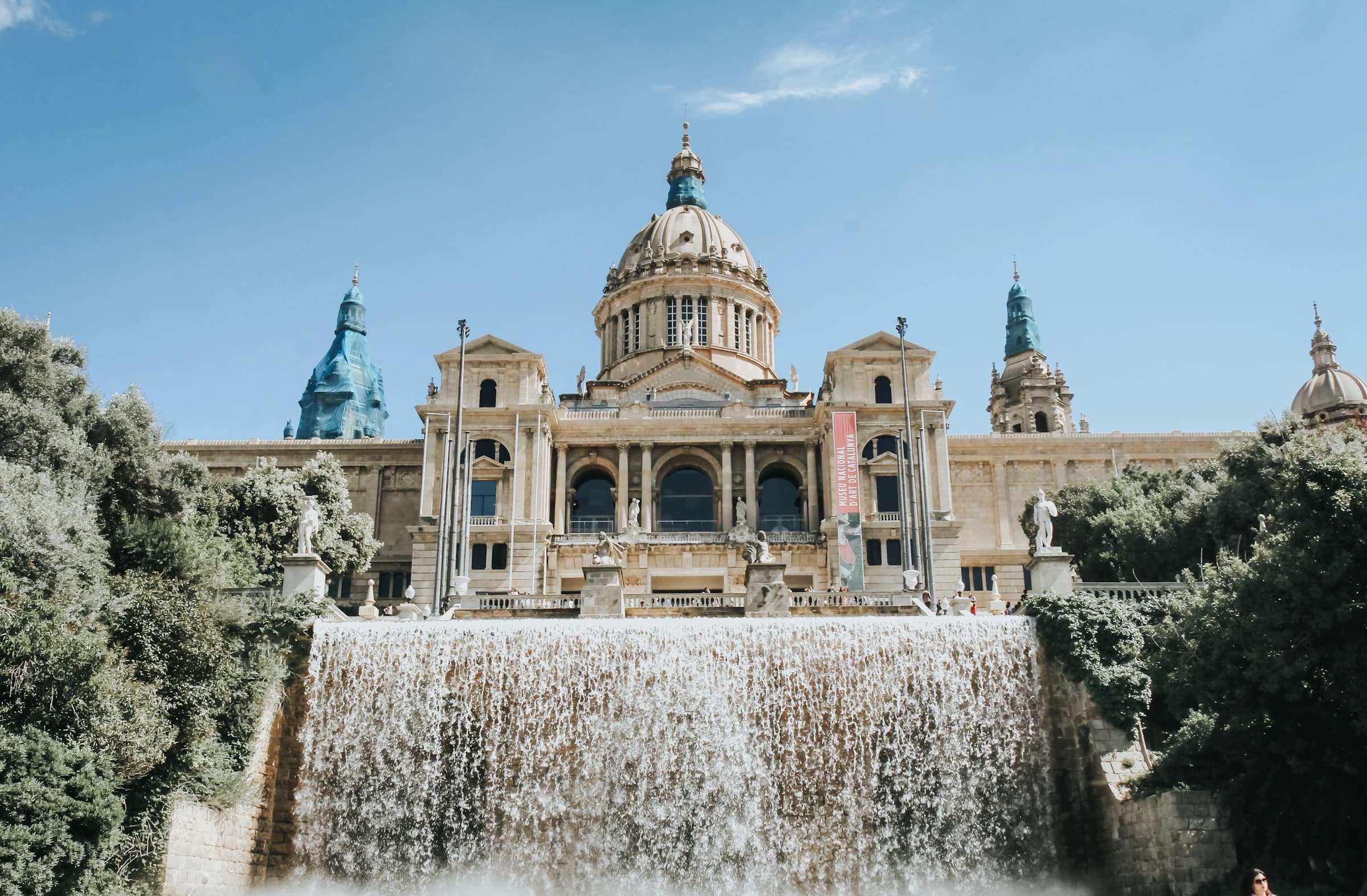
- Day 3, art: Plaça d’Espanya → Avinguda de Maria Cristina → Museu Nacional d’Art de Catalunya. Check the uphill access on the museum’s official page. Allow an estimated 2–3 hours for your chosen collection and 45–60 minutes for a pause and the surroundings.
- Day 3, Gaudí alternative: replace Montjuïc with Park Güell, then a relaxed stop in Gràcia. Reserve park admission separately and check the current entrance instructions. Lesseps metro station is not the park entrance; leave time for the final uphill approach. Do not compress both options into one half-day.
- Rain or early departure: keep your reserved interior and remove the outdoor extension. With only a morning, stay near your accommodation and onward transport instead of crossing the city for the third theme.
Create a structure that allows changes
Write a simple three-line plan: architecture, older neighbourhoods, personal choice. Place any fixed bookings beneath the relevant line and leave the rest provisional. This makes a weather change easier to handle because you can exchange chapters without reinventing the whole trip. Avoid booking an early morning after a late arrival merely to make the programme look complete. Give each person one priority and agree which optional stop would be dropped first. A shared decision before travelling prevents disagreements from appearing only when everyone is tired and the next ticket is already due.
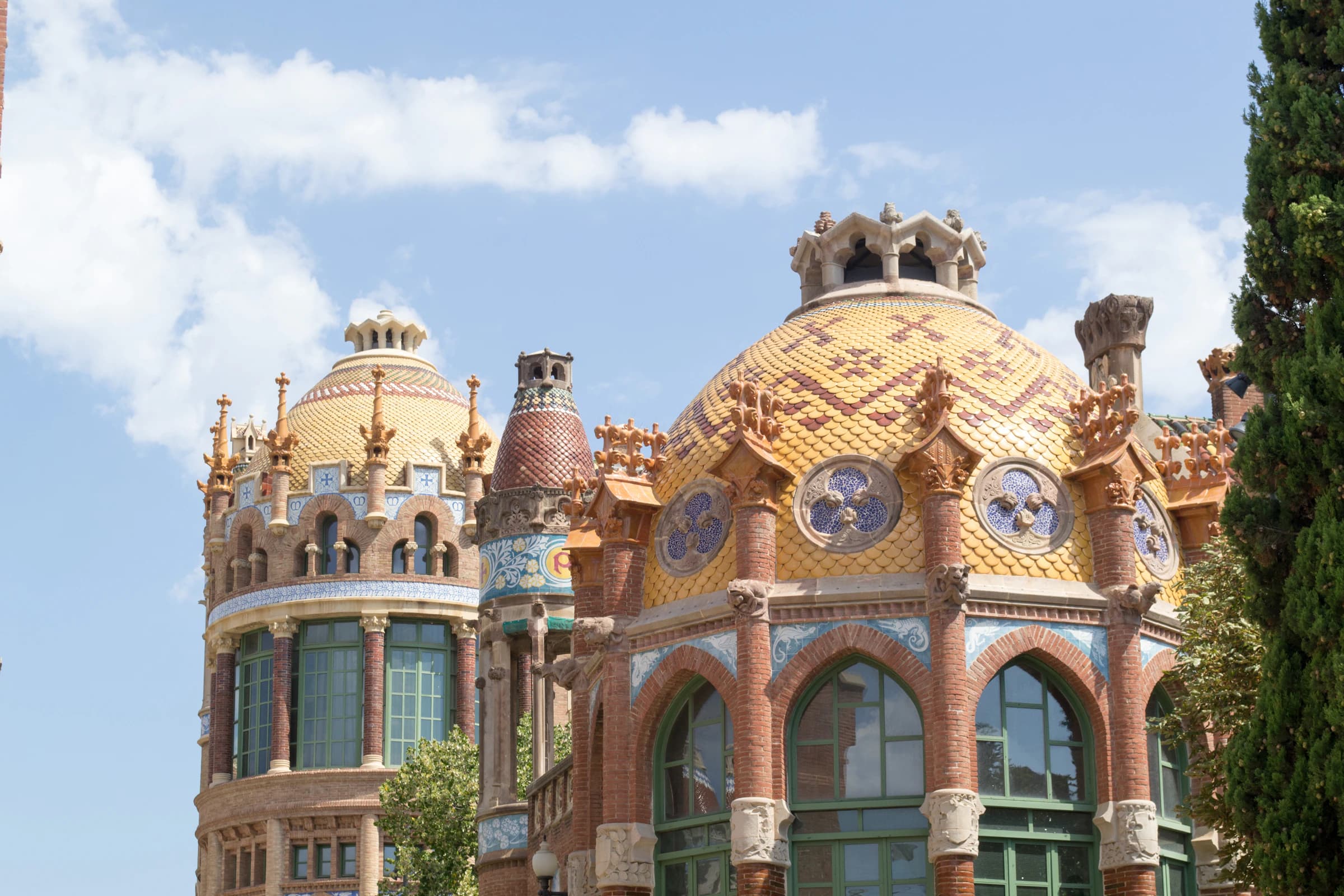
Use the architectural day for comparisons
Choose two architectural settings that let you compare rather than accumulate. A Sagrada Família façade walk and Passeig de Gràcia can become a conversation about how buildings tell stories at different scales. Pick one detail to observe in both places: a doorway, a natural form or the relationship with the pavement. You do not need to buy admission to every building to make that comparison worthwhile. If an interior visit matters to you, choose it deliberately and reserve the correct product. Leave a gap for looking again after an explanation, instead of moving straight to the next obligation.
Give the older city a walking rhythm
A neighbourhood day can concentrate on the Gothic Quarter and El Born, with a limited number of connected stops. Begin with orientation, then allow side streets to become discoveries rather than navigation errors. Choose a square as a regrouping point, especially when companions enjoy photographing different things. Keep residential entrances clear and avoid using someone’s doorway as a group meeting space. A guide can help explain the route; afterwards, leave some independent time to revisit a detail. Do not confuse a longer distance walked with a more meaningful exploration of the city.
Choose the third day by interest, not reputation
The third day is your opportunity to be selective. Someone interested in art might organise it around the Museu Nacional or another collection; someone interested in landscapes might choose a gentler sequence of viewpoints and pauses. Montjuïc can provide a setting for either, but access, walking effort and transport still need checking. Avoid promising an effortless route simply because several places appear close on a map. Decide how much attention the main visit deserves and protect it. An excursion beyond Barcelona should replace this chapter, not become an extra commitment squeezed around it.
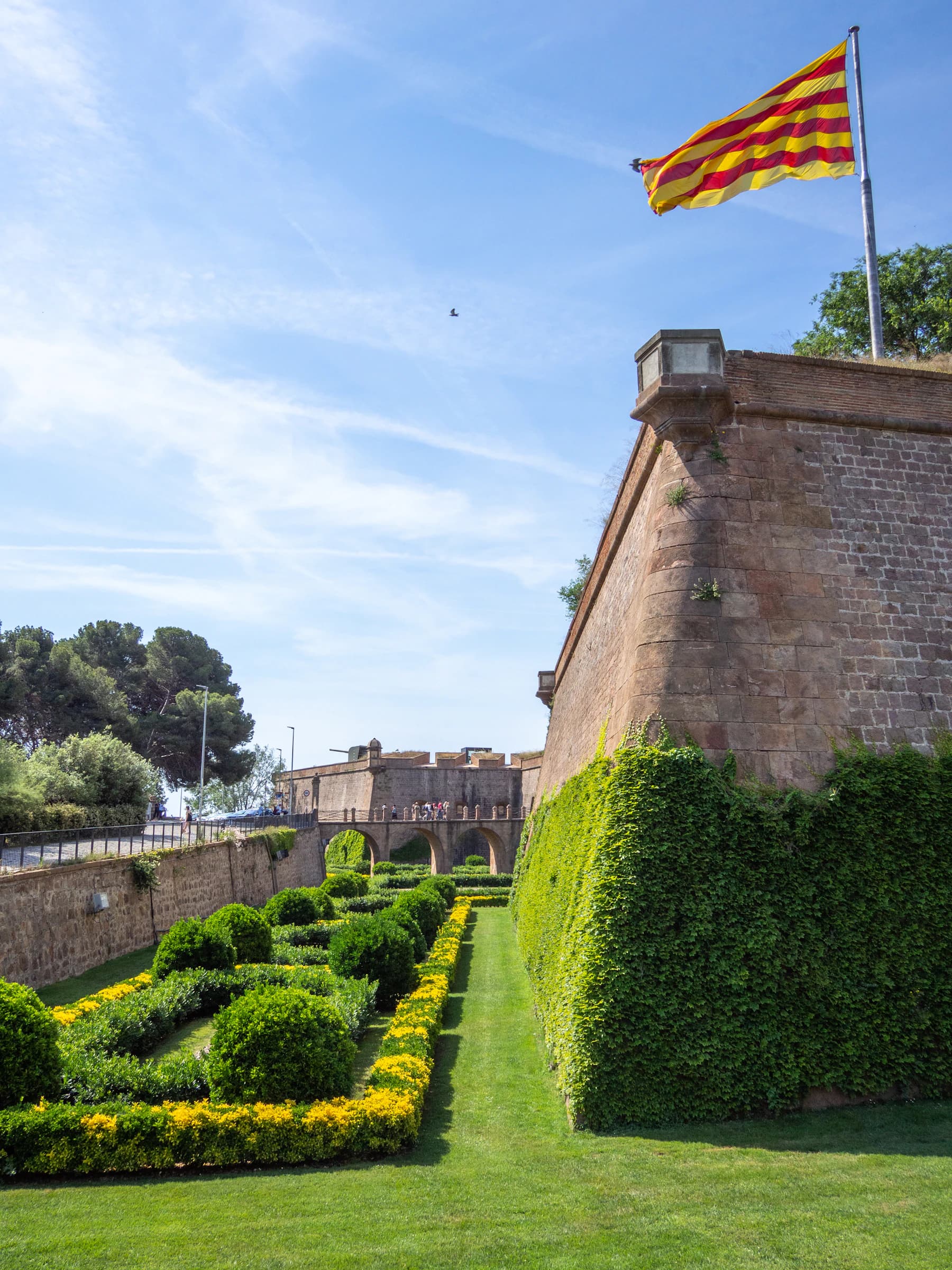
Build a realistic rainy-weather alternative
Choose your indoor alternative before the forecast becomes urgent. Check the venue’s current visitor information and decide whether the collection genuinely interests your group. A museum is not an unlimited waiting room between storms; it deserves a purpose and a sensible attention span. If rain changes your walking plans, remove a long exposed transfer rather than stacking an additional activity onto the day. Keep shoes and clothing practical, and agree on a meeting place if you split into smaller groups. Use the forecast to adjust the sequence, not to make promises about weather during a booked tour.
Leave the last morning lighter
The final day often contains checkout, luggage and a departure, so make the last chapter easy to shorten. Check where your bags will be and the return route before choosing a final attraction. If you have a full third day, enjoy it; if you have only a few hours, scale the plan honestly. A familiar neighbourhood near your accommodation may be more satisfying than crossing town for one last queue. Gather the questions you still have and save them for a return visit. Three coherent days can build understanding without requiring you to declare the city finished.
Sources and further reading
- Turisme de Barcelona — Why Barcelona? ↗
- TMB — Get around Barcelona ↗
- Museu Nacional d’Art de Catalunya — The visit ↗
- Casa Batlló — Plan your visit ↗
- Turisme de Barcelona — Casa Milà / La Pedrera ↗
- Turisme de Barcelona — Gothic Quarter ↗
- Museu Nacional d’Art de Catalunya — Getting here ↗
- Park Güell — How to get there ↗
Bring the story to life
Compare routes, durations and languages, then choose the tour that fits your trip.
Explore our tours ↗